Biodex Tells You a Limb Symmetry Index on Test Day. The Muscle Puck Tells You What's Happening Every Day In Between.
Biodex's isokinetic dynamometer is the clinical gold standard for objective strength and range-of-motion testing, the tool athletic trainers and physical therapists lean on to benchmark ACL and other rehab progress with a real number instead of a guess. That number is precise. It's also only as current as the day you tested.
Short version: Biodex tells you a limb symmetry index from a clinical strength test. The Muscle Puck tells you which specific muscle is producing that force during actual training, whether it's fatiguing, and whether the athlete is compensating with a different muscle — the layer that catches a return-to-play risk between testing appointments, not just on test day.
What Does Biodex Do Well?
Biodex measures strength and range of motion at a controlled, fixed speed, producing objective numbers like peak torque and limb symmetry index that clinicians use to benchmark rehab progress and help decide when an athlete is ready to return to play. That objectivity is exactly why it's become standard in athletic training rooms and physical therapy clinics.
What Doesn't a Clinical Test Measure?
A Biodex test happens periodically, in a clinic, under controlled conditions, not during actual training. Two athletes can hit the same limb symmetry index on test day while one of them is still quietly compensating with a different muscle during real training sessions in between visits, something a single-joint, single-speed test can't catch.

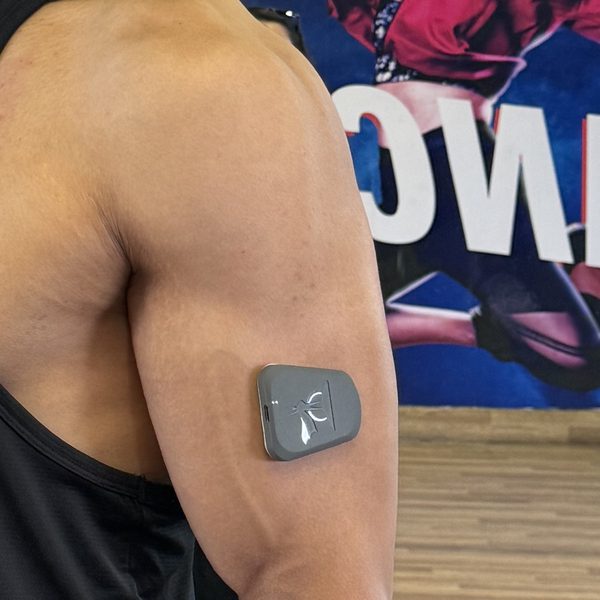
Biodex shows strength symmetry on test day. The Muscle Puck shows which muscle is doing the work every day in between.
What Does the Muscle Puck Add to Biodex?
The Muscle Puck reads live electrical activity from a specific muscle during actual training or rehab work, not just on a testing day.
- Which specific muscle is producing force during real training, not just what a periodic clinical test suggests it's capable of.
- Whether that muscle is fatiguing across a rehab session, before it shows up as a setback.
- Whether the athlete is compensating with a different muscle during real activity, the kind of substitution a periodic clinical test can miss between appointments.
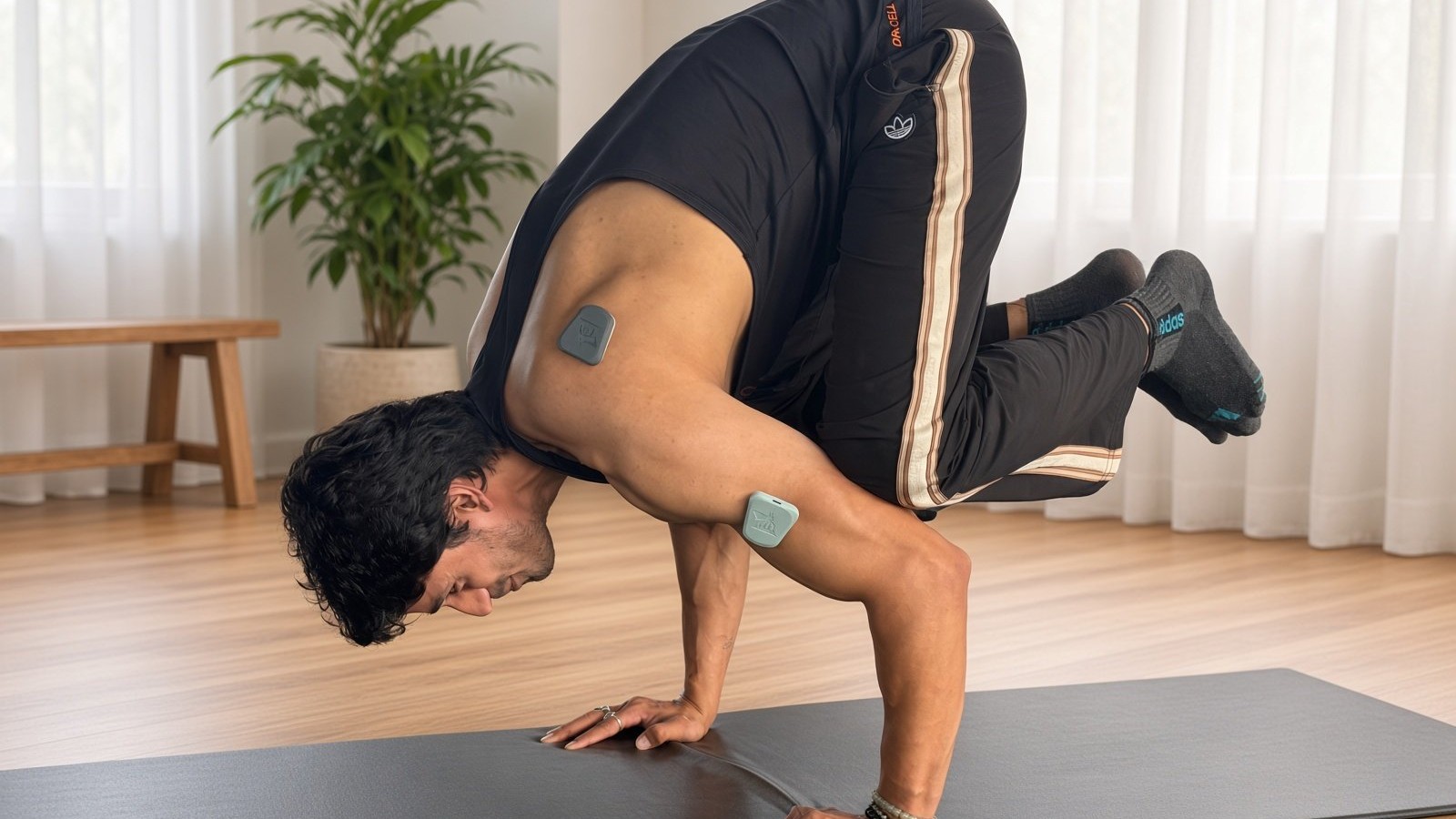
That gets sharper with more than one Muscle Puck worn at once, as shown here on the shoulder and bicep during a balance exercise. Worn together during rehab work, they show how those muscles are sharing the load and whether the one Biodex says is strong enough is actually doing the work, or whether a neighboring muscle is quietly picking up the slack, well before the next scheduled Biodex re-test would catch it. It's also how a guarding pattern gets caught early: if an athlete is protecting a still-tender joint by compensating with a different muscle, two Pucks show that substitution the same session it starts.

Put together, a rehab or performance program keeps the clinical benchmark Biodex is built to give it, plus a muscle-level read on what's actually happening between testing appointments, on the same athlete already going through a testing protocol.
Biodex and the Muscle Puck: Quick Answers
Does the Muscle Puck replace Biodex testing?
No. It's worn during rehab and training between Biodex sessions to show what's happening muscle-by-muscle on the days you're not on the dynamometer.
Can you wear more than one Muscle Puck at once?
Yes. One on the quad and one on the hamstring of the surgical leg, for example, shows how those muscles share load during rehab exercises and whether one is compensating for the other.
How does this help with return-to-play decisions?
A Biodex limb symmetry index is a snapshot from a single test. The Muscle Puck shows whether the muscle is actually doing that work consistently during real training in between tests, catching a compensation pattern before it's built into how the athlete moves.
What's the real difference between Biodex and Muscle Puck data?
Biodex gives you a precise strength and symmetry number on a testing day. The Muscle Puck gives you a continuous read on which muscle is doing the work every day between tests.