Catapult Tells You Player Load. The Muscle Puck Tells You Which Muscles Are Behind It.
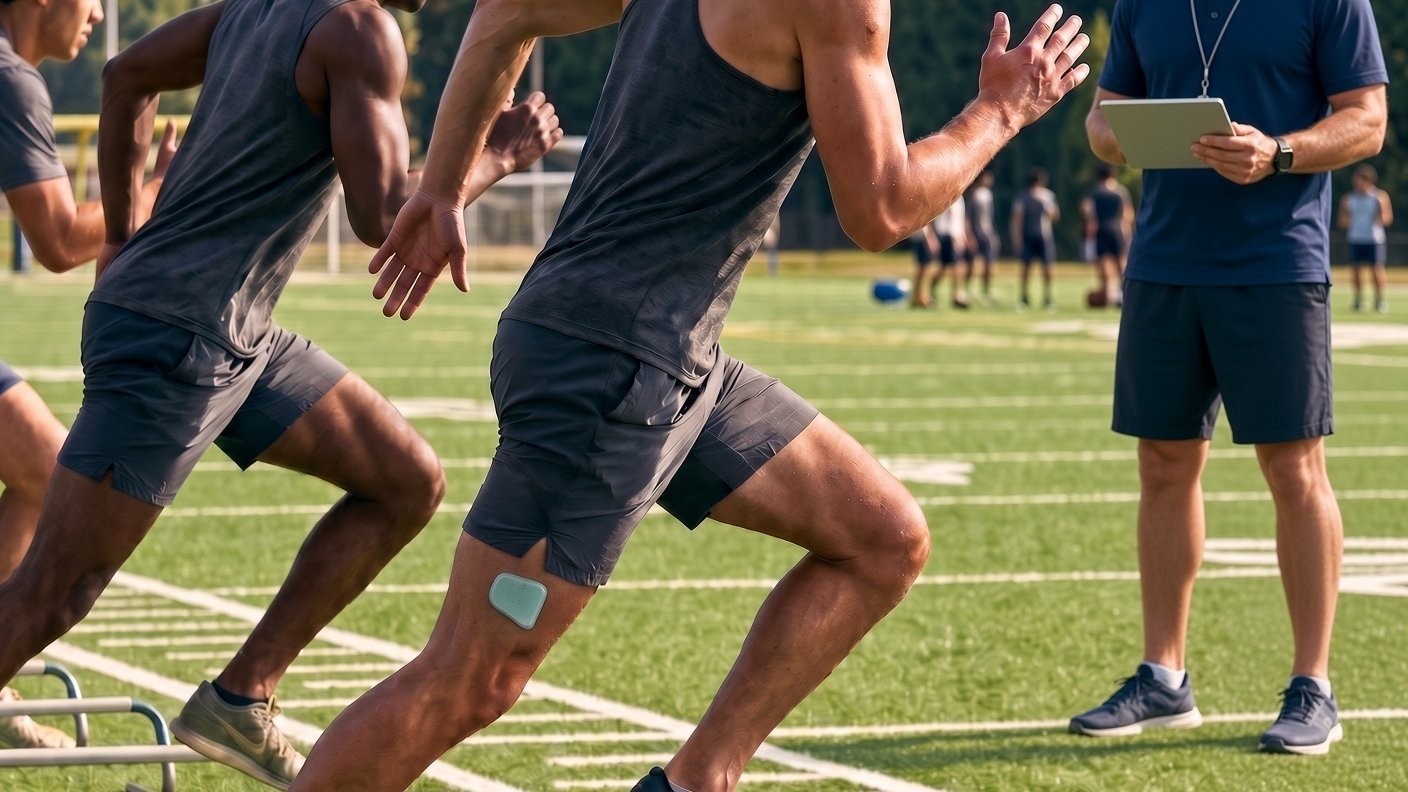
If your team runs Catapult, you already have some of the best external load data in sports. That's not a knock, it's the reason more than 5,000 teams across 40+ sports use it. The gap isn't in what Catapult measures. It's in what happens after the accelerometer stops being able to answer the question.
Short version: Catapult's Player Load tells you how much an athlete's body moved in a session. The Muscle Puck tells you which muscle moved it, whether that muscle is fatiguing, and whether the athlete is quietly compensating for it - the layer of data that turns a load number into an early warning for injury, and protects the investment your organization has already made in that athlete.
What Does Catapult Actually Do Well?
Catapult's Vector devices sample GPS at 10Hz with multi-constellation support (GPS, GLONASS, Galileo, and BeiDou), which is what lets teams get reliable position data even in stadiums or partially enclosed venues where a single-constellation GPS unit would lose the signal. The accelerometer inside runs even faster: a 3D, ±16G sensor sampled at 1kHz and reported at 100Hz.
That hardware feeds Player Load, Catapult's proprietary composite metric that sums acceleration across all three axes to give a single number for how much external work an athlete did in a session. It's become close to an industry standard for managing training load across a roster, which is exactly why it's in use at this range of levels and sports:
- Soccer: Real Madrid, Chelsea, Bayern Munich, and clubs across La Liga and the Premier League use it to manage congested-fixture load.
- Basketball: NBA teams including the San Antonio Spurs, New York Knicks, Houston Rockets, and Dallas Mavericks track load across an 82-game season.
- American football: NFL teams including the Arizona Cardinals and New York Giants use it through camp and in-season practice load management.
- Rugby and cricket: Wales Rugby, Scottish Rugby, Rugby Australia, and Cricket Australia all rely on it for national-team conditioning.
Across all of those sports, the job Player Load does is the same: turn accelerometer data into a defensible number for "how much did this athlete's body go through today," so a strength coach or sports scientist can manage volume across a long season without guessing.
What Doesn't Player Load Measure?
Player Load is an external, accelerometer-derived measure, and the sports science literature is candid about what that means: it captures movement dynamics, not what's happening inside the muscle producing them. Published research on the metric points out that GNSS and accelerometer-based systems are primarily sensitive to horizontal displacement and gross movement, not to the internal physiological response, muscle activation pattern, or soft-tissue injury risk building underneath it.
In practice, that shows up as a real coaching problem: two athletes can log an identical Player Load number in the same session while one of them is compensating, favoring a tight hamstring, or quietly leaning on a muscle that isn't the one doing the intended work. The accelerometer has no way to tell them apart. It sees the same output either way.

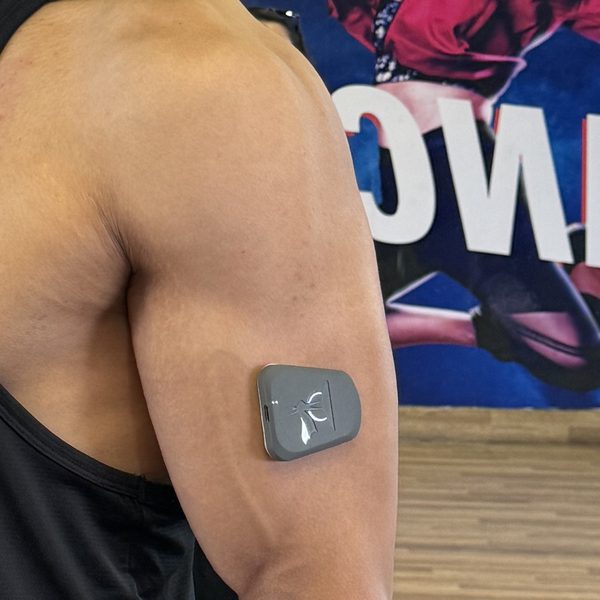
Catapult shows how much the body moved. The Muscle Puck shows which muscles moved it.
What Does the Muscle Puck Add to Player Load?
The Muscle Puck reads the electrical signal from a muscle in real time, the same training session, worn alongside whatever GPS unit your team already has on. That doesn't replace Player Load. It answers the question Player Load was never built to answer:
- Which muscle actually fired, and how hard, on the same sprint or cut that shows up as a single number in your Catapult report.
- Whether a muscle is fatiguing across a session, well before that fatigue shows up as a drop in speed or output that Player Load would catch.
- Whether one side is compensating for the other, the kind of asymmetry that Player Load's whole-body number is not designed to isolate.
That picture gets sharper with more than one Muscle Puck on the same athlete. Two or three at once, one per muscle you're watching, shows how those muscles are sharing the work on a single sprint or jump, and which one starts fatiguing first, well before that shows up as a dip in Player Load. It's also how a compensation pattern gets caught early: if an athlete is quietly guarding a sore hamstring, a second Puck on the muscle picking up the slack shows the substitution the same session it starts, not after it turns into a strain somewhere else.
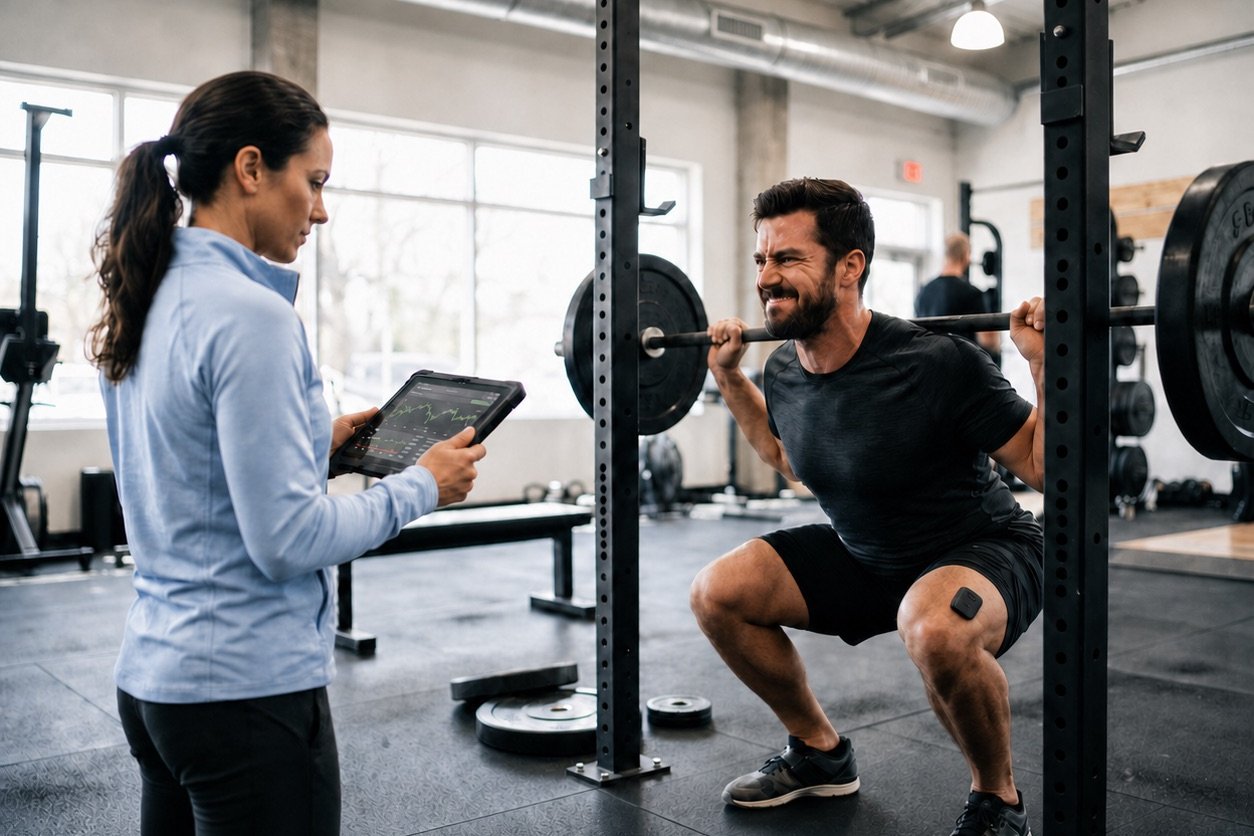
Put together, a team gets the number that's been trusted for load management for over a decade, plus the muscle-level read that explains what's actually driving it - in the same training session, without asking athletes to wear anything more than they already do, and without waiting for a soft-tissue injury to find out what Player Load couldn't see.
Catapult and the Muscle Puck: Quick Answers
Does the Muscle Puck replace Catapult or Player Load?
No. It's built to run alongside Catapult, adding a muscle-level layer underneath the Player Load number your team already tracks, not replacing your GPS or accelerometer setup.
Can an athlete wear more than one Muscle Puck at the same time?
Yes. Athletes can wear two or three at once, one per muscle you want to monitor, which is what lets you see how those muscles share a movement and which one fatigues first.
How does the Muscle Puck help with injury prevention?
It flags two things Player Load can't: a muscle fatiguing mid-session before output drops, and a muscle being compensated for or guarded by another. Both are early-warning signs that, caught the same session, can be addressed before they become a strain or a missed game.
What's the actual difference between Player Load and Muscle Puck data?
Player Load is a single, whole-body number derived from accelerometer data — it tells you how much the body moved. The Muscle Puck reads live electrical activity from a specific muscle — it tells you which muscle did that work, and how hard.