Firstbeat Tells You Your Training Load From the Heart. The Muscle Puck Tells You Which Muscle Is Driving It.
Firstbeat's HR- and HRV-based analytics have been part of how top soccer clubs and endurance programs quantify internal training load for years, turning heart-rate response into a defensible number for how hard a session actually hit an athlete's system. That number comes from the heart. It says nothing about which muscle produced the work that got the heart there.
Short version: Firstbeat tells you training load from heart-rate response. The Muscle Puck tells you which muscle is actually producing the effort behind that response, whether it's fatiguing, and whether the athlete is compensating — the layer that catches a specific muscle problem a whole-body cardiovascular number can't see.
What Does Firstbeat Do Well?
By modeling heart-rate and heart-rate-variability response against an athlete's individual physiology, Firstbeat turns a session into internal training load and recovery-status numbers a sports scientist can track over weeks, without needing external tracking hardware at all. That's made it a trusted layer for managing cardiovascular strain and recovery timing across a long season.
What Doesn't Heart-Rate Load Measure?
Internal load derived from heart rate is a whole-body cardiovascular signal — it can't localize which muscle actually did the work that drove the heart rate up, or tell the difference between an athlete working hard with good mechanics and one compensating through the wrong muscle to hit the same output.

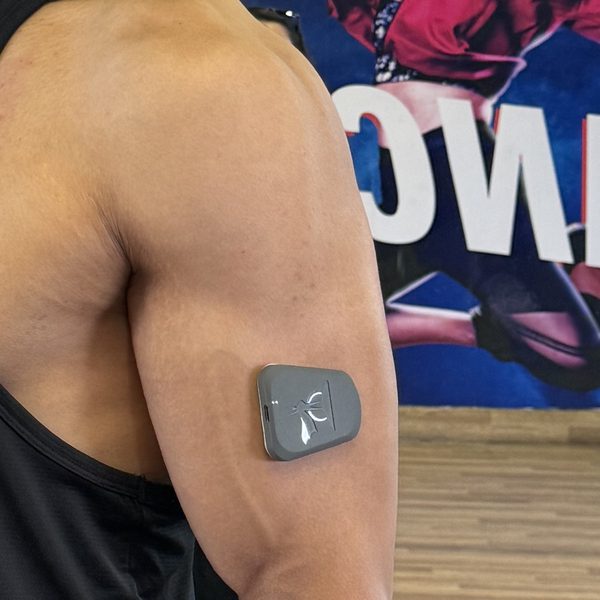
Firstbeat shows how hard the heart worked. The Muscle Puck shows which muscle made it work that hard.
What Does the Muscle Puck Add to Firstbeat?
The Muscle Puck reads live electrical activity directly from a working muscle, worn alongside whatever HR strap or watch is already feeding Firstbeat.
- Which muscle is actually producing the effort behind the heart-rate response Firstbeat is modeling.
- Whether that muscle is fatiguing across a set or a session, ahead of any change in heart-rate response.
- Whether the athlete is compensating, shifting work to a different muscle to sustain the same intensity.
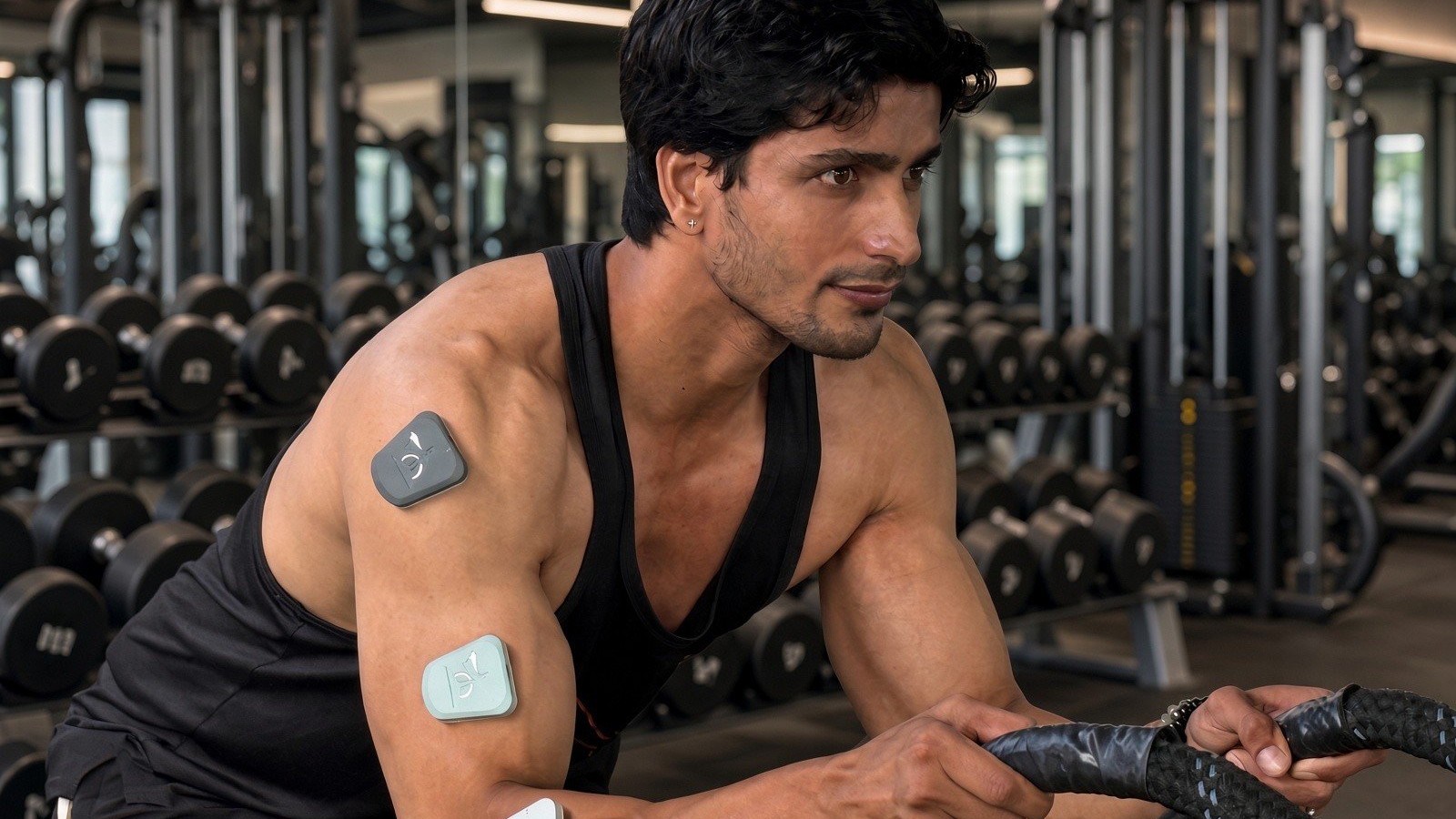
This image shows exactly that: three Muscle Pucks worn at once, on the forearm, bicep, and shoulder, during battle-rope work. Worn together, they show how those three muscles are sharing the load on the same movement, and which one starts fatiguing first — the forearm grip is usually first to go on rope work, well before it shows up as a change in heart-rate-derived load. It's also how a compensation pattern gets caught early: if the forearm is fatiguing and the shoulder starts taking over more of the work to keep the pace up, three Pucks show that handoff happening in real time, the same session it starts, not after grip or elbow soreness shows up days later.

Put together, a program keeps the internal load and recovery numbers Firstbeat is built to give it, plus the muscle-level read on what's actually producing that load, in the exact same session.
Firstbeat and the Muscle Puck: Quick Answers
Does the Muscle Puck replace Firstbeat?
No. It's worn alongside whatever HR strap already feeds Firstbeat, adding a muscle-level read underneath the internal-load number.
Can you wear more than one Muscle Puck at once?
Yes, this image shows three at once, on the forearm, bicep, and shoulder during rope work, which is how you see which muscle fatigues first within a single set.
How does this help with injury prevention?
On rope work, the forearm grip is usually first to fatigue; if the shoulder starts compensating to keep pace, three Pucks show that handoff in real time, well before it shows up as a change in Firstbeat's heart-rate-derived load.
What's the real difference between Firstbeat and Muscle Puck data?
Firstbeat measures how hard the heart worked. The Muscle Puck measures which specific muscle made it work that hard.