FlexPro Grip Trains Your Forearm. The Muscle Puck Tells You Which Muscle Is Doing the Work.
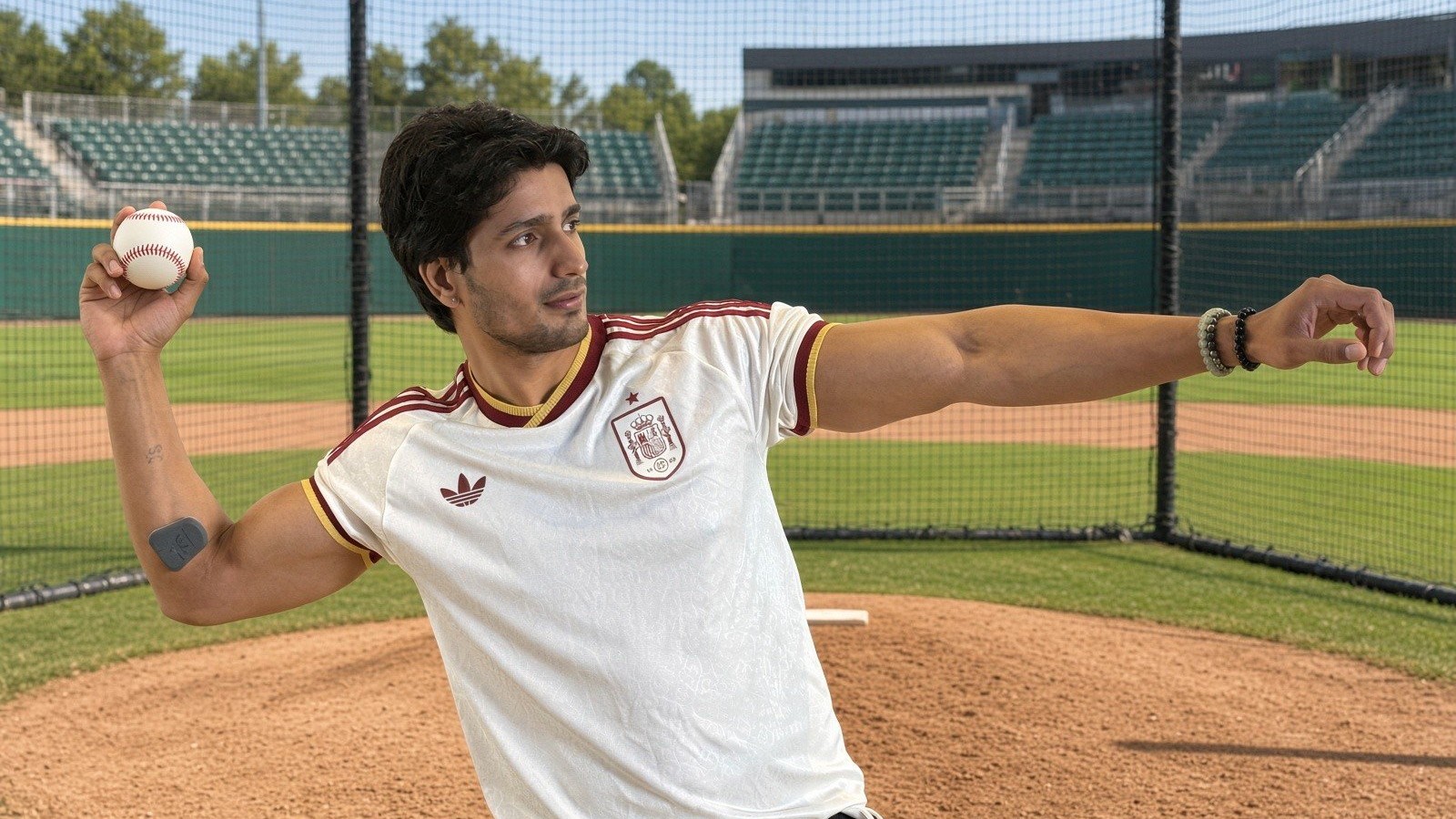
FlexPro Grip has become a common tool for throwers, climbers, and racquet-sport athletes building forearm and grip strength, and for clinicians using it in elbow and wrist rehab. It's a genuinely useful way to load the flexor-pronator mass. What it can't do is tell you which specific muscle inside that mass is actually doing the work.
Short version: FlexPro Grip loads the forearm as a group. The Muscle Puck shows which individual muscle in that group is doing the work, whether it's fatiguing, and whether a neighboring muscle is quietly compensating for it — the layer of data that catches a forearm strain before it sidelines an athlete.
What Does FlexPro Grip Do Well?
FlexPro Grip trains grip and forearm strength through targeted, adjustable resistance, making it a practical tool both for building throwing- or racquet-specific forearm strength and for progressive loading during rehab from elbow and wrist issues. Its appeal is exactly that it isolates and loads the forearm as a functional unit, rather than as an afterthought in a bigger lift.
What Doesn't Grip Training Measure?
The forearm's flexor-pronator mass is several distinct muscles working together, not one. A grip or forearm device can tell you how much resistance was moved, but not which of those individual muscles is actually producing that force, or whether one of them is quietly picking up more than its share while another, possibly a sore one, is being protected.

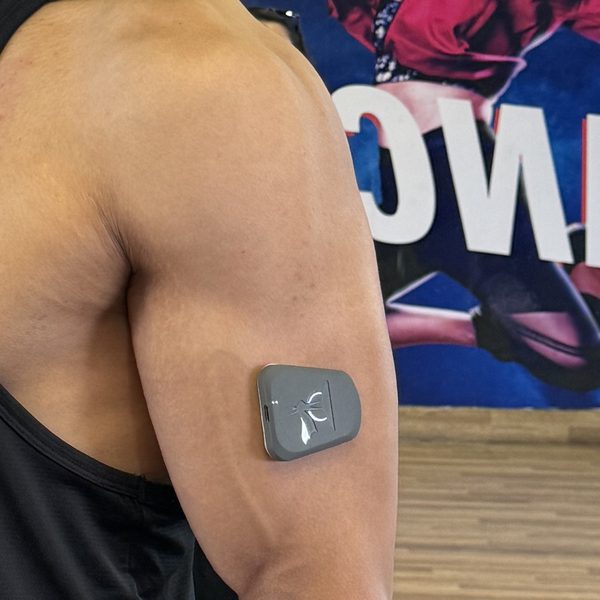
FlexPro Grip loads the forearm as a group. The Muscle Puck shows which muscle in that group is actually doing the work.
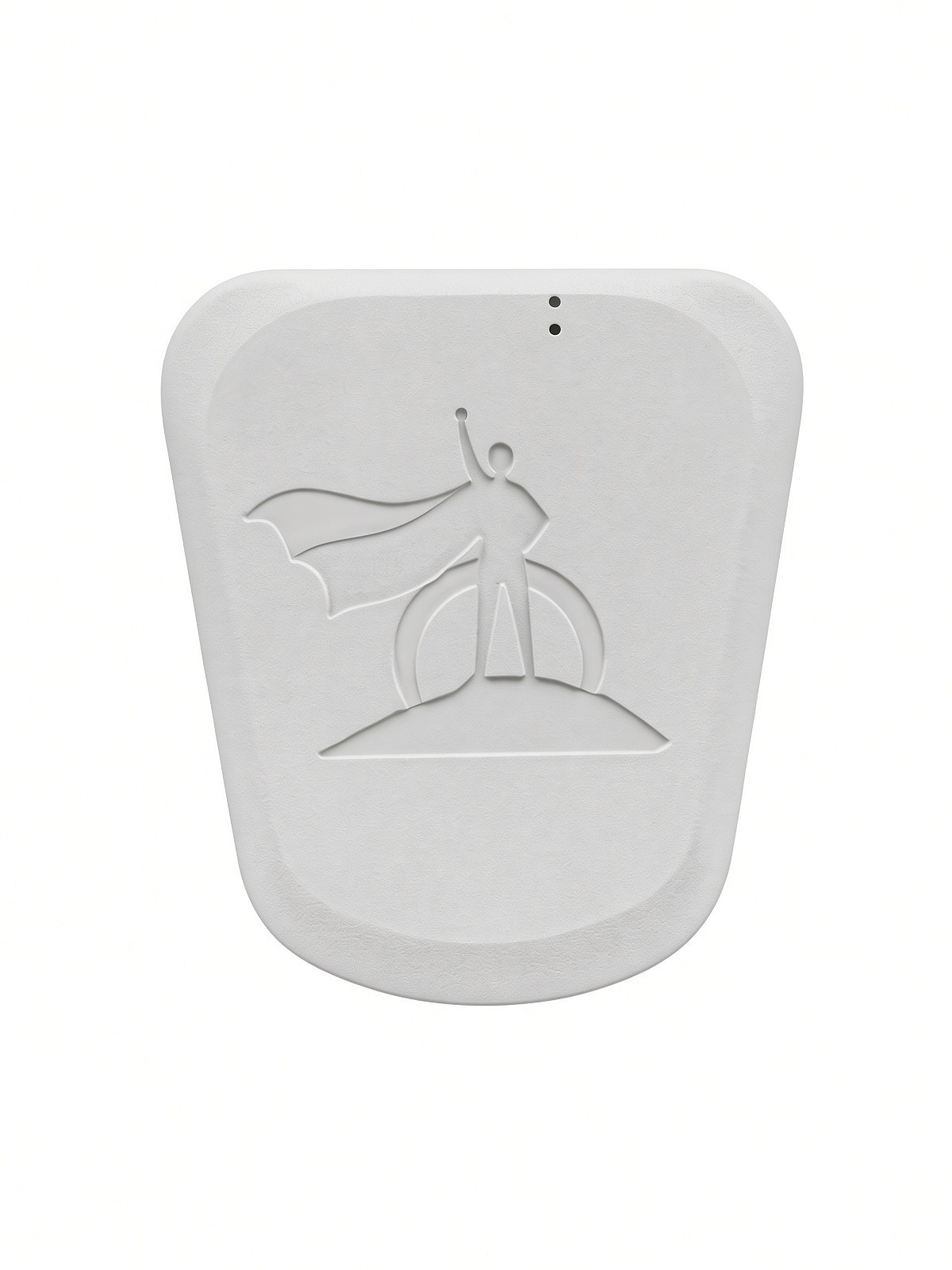
What Does the Muscle Puck Add to FlexPro Grip?
The Muscle Puck reads live electrical activity from one specific muscle in the forearm, worn during the same grip or throwing session.
- Which specific muscle in the flexor-pronator mass is actually producing the force behind a grip or throwing session.
- Whether that muscle is fatiguing across a session, before grip strength or pitch command starts to slip.
- Whether a different muscle is compensating, quietly taking over for one that's sore or already fatigued.
That gets sharper with more than one Muscle Puck on the same forearm — one on the flexor carpi radialis, one on the pronator teres, say. Worn together during throwing or grip work, they show how those muscles are sharing the load rep to rep, and which one starts fatiguing first, well before that shows up as a drop in velocity or grip output. It's also how a guarding pattern gets caught early: if an athlete is quietly protecting a sore spot in one muscle by leaning on its neighbor, two Pucks show that shift the same session it starts, not after it turns into a strain of its own.
Put together, a program keeps FlexPro Grip's targeted forearm loading, plus a muscle-level read on which part of that forearm is actually doing the work — on the same training or rehab session, without waiting for a strain to reveal which muscle was overworked.
FlexPro Grip and the Muscle Puck: Quick Answers
Does the Muscle Puck replace FlexPro Grip?
No. It's worn during the same FlexPro Grip session to show which specific muscle in the forearm is doing the work, not to replace the training or rehab tool itself.
Can you use more than one Muscle Puck on the same arm?
Yes. Wearing two, one on the flexor carpi radialis and one on the pronator teres, for example, shows how those muscles share the load and which one fatigues first.
Why does it matter which specific forearm muscle is doing the work?
The flexor-pronator mass is several muscles, not one, and a grip device can't tell you if one of them is quietly picking up more than its share while another is being protected — exactly the kind of compensation that precedes a strain.
Who is FlexPro Grip plus the Muscle Puck useful for?
Throwers, climbers, and racquet-sport athletes building forearm strength, plus clinicians using FlexPro Grip in elbow and wrist rehab who want to confirm which muscle is actually being loaded in a session.