Hawkin Dynamics Tells You Jump Height and Asymmetry. The Muscle Puck Tells You Which Muscle Is Behind It.
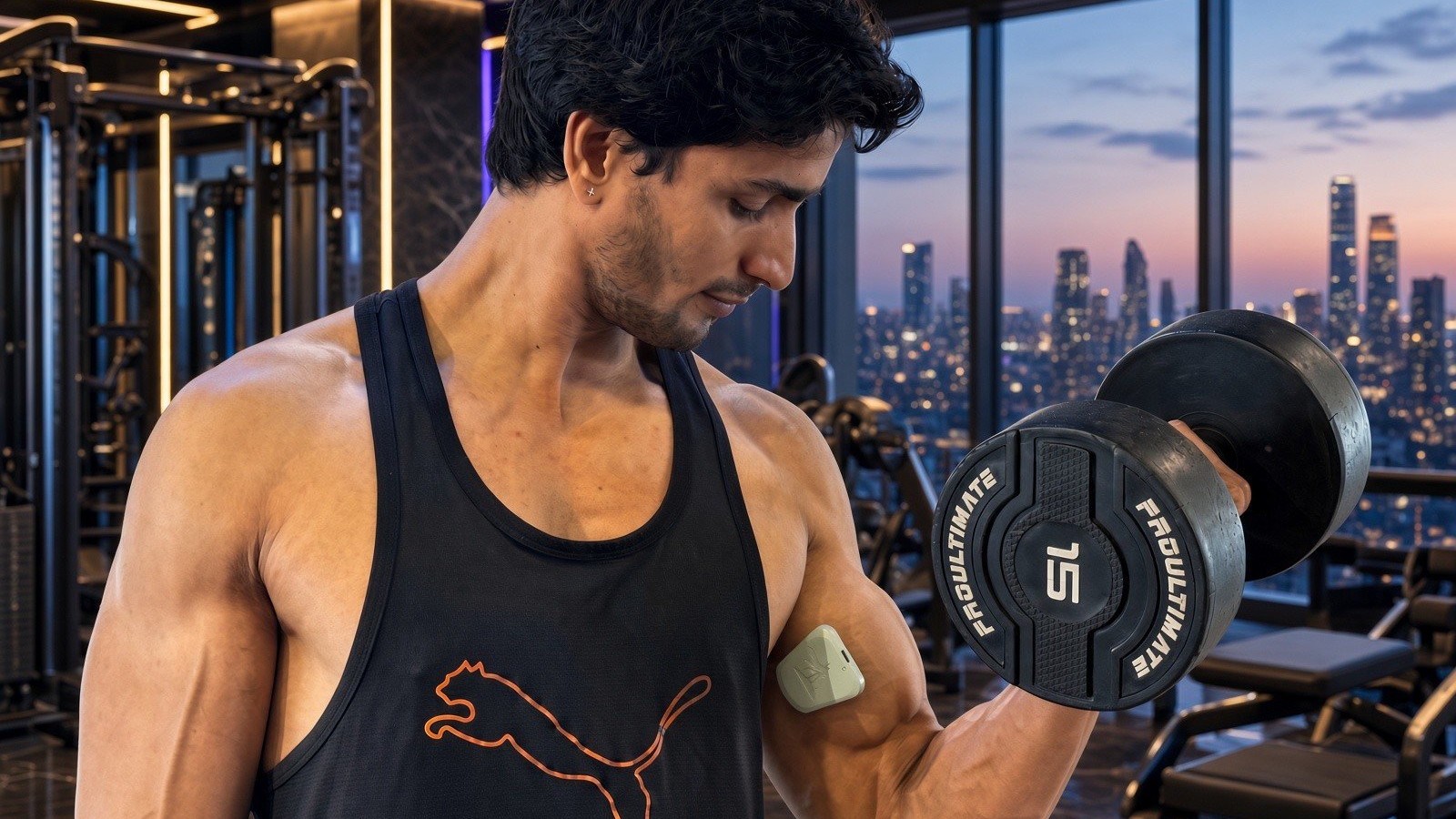
Hawkin Dynamics' wireless force plates have made jump testing something a strength staff can run in seconds, right in the weight room, instead of scheduling lab time. Jump height, reactive strength index, and left-right asymmetry all come off the plate in one clean readout. What that readout can't do is tell you why an asymmetry is there in the first place.
Short version: Hawkin Dynamics tells you jump height, reactive strength index, and left-right asymmetry from a force-plate test. The Muscle Puck tells you which specific muscle produced that jump, whether it's fatiguing, and whether the athlete is compensating between sides — the layer that catches an asymmetry's real cause, not just its size.
What Does Hawkin Dynamics Do Well?
Hawkin Dynamics' portable force plates give strength staffs an accessible way to run countermovement jump tests regularly, tracking jump height, reactive strength index, and asymmetry between legs without needing a dedicated lab. That accessibility has made frequent jump testing a normal part of monitoring readiness and asymmetry across a roster.
What Doesn't a Jump Test Measure?
A force-plate jump test gives you the size of an asymmetry, not its cause. Two athletes can show the same left-right imbalance on a jump while one of them is compensating with a completely different muscle strategy than the other, something a ground-reaction-force number alone can't distinguish.

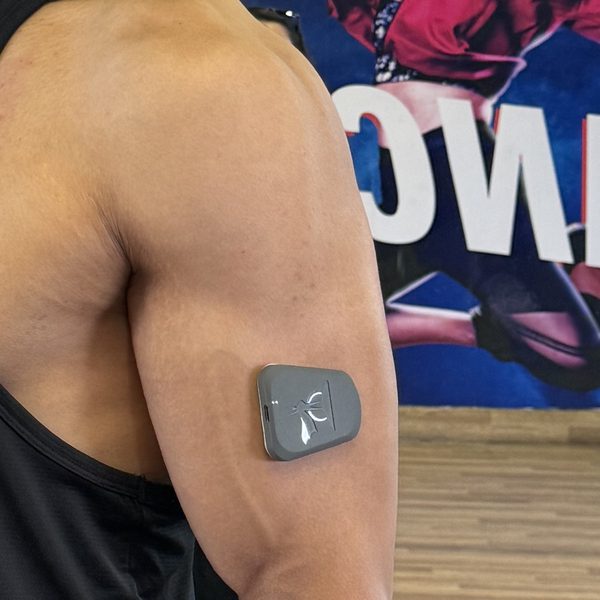
Hawkin Dynamics shows how uneven a jump is. The Muscle Puck shows which muscle is causing it.
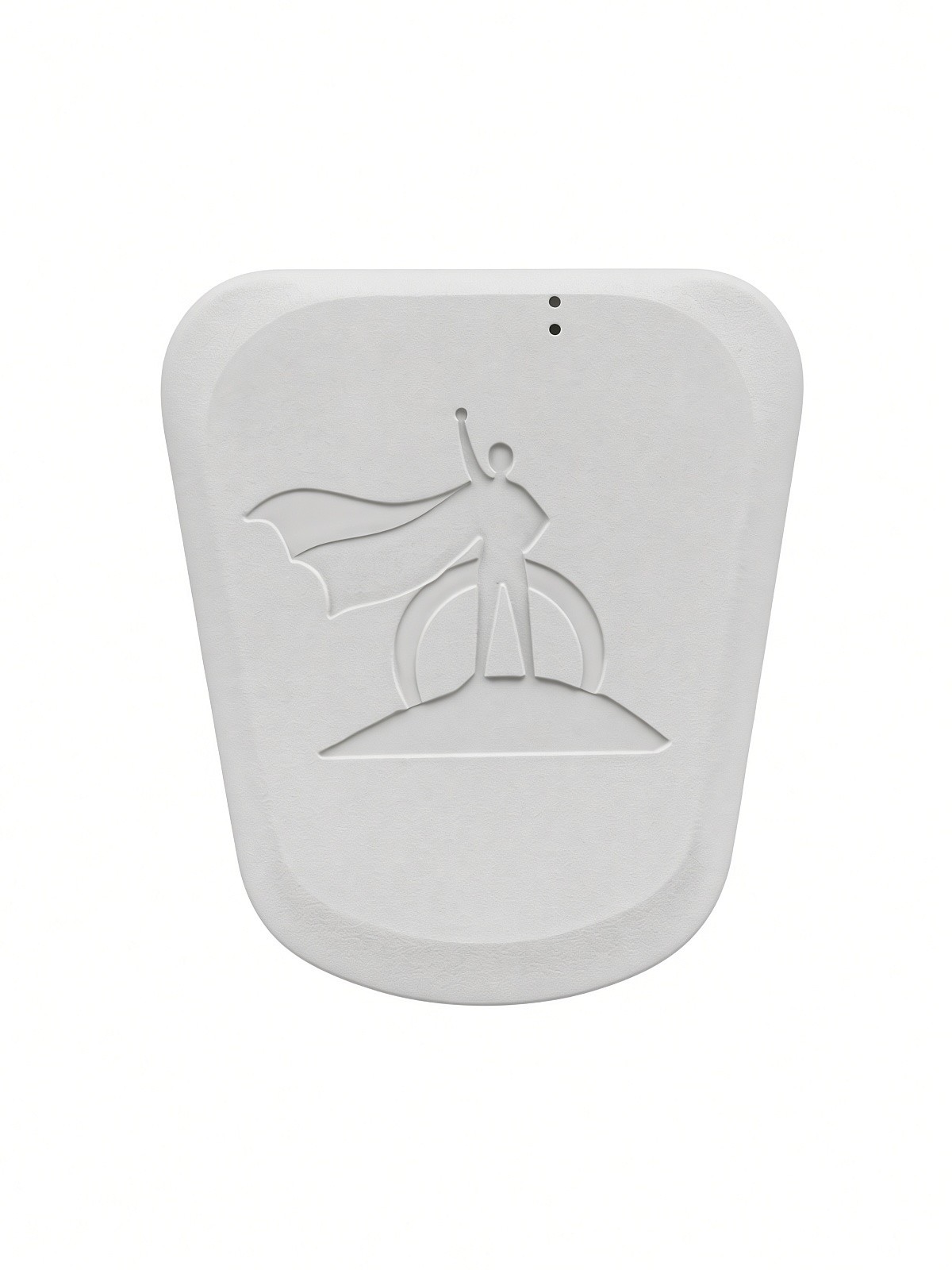
What Does the Muscle Puck Add to Hawkin Dynamics?
The Muscle Puck reads live electrical activity from a specific muscle, worn during the same jump or strength session Hawkin Dynamics is already testing.
- Which muscle is actually producing force on the weaker side of a jump that Hawkin Dynamics flags as asymmetric.
- Whether that muscle is fatiguing across a training block, before the asymmetry gets worse.
- Whether the athlete is compensating with a different muscle on one side, the actual mechanism behind an asymmetry number.
That gets sharper with more than one Muscle Puck worn at once — one on the same target muscle on each leg, say. Worn during jump or lift training, they show whether the asymmetry Hawkin Dynamics measured on the plate is really a strength gap in that muscle, or whether one side is being protected while a different muscle compensates, catching the real cause before the next jump test just confirms the same number again.
Put together, a strength program keeps the fast, portable jump testing Hawkin Dynamics is built for, plus a muscle-level read on what's actually causing any asymmetry it finds, on the same athletes already being tested.
Hawkin Dynamics and the Muscle Puck: Quick Answers
Does the Muscle Puck replace Hawkin Dynamics?
No. It's worn during jump or strength testing sessions to show which muscle is behind the numbers Hawkin Dynamics' force plates already give you.
Can you wear more than one Muscle Puck at once?
Yes. One on each leg's target muscle, say the quad, shows whether an asymmetry Hawkin Dynamics measured is really a strength gap or a compensation pattern.
How does this help with injury prevention?
An asymmetry number alone doesn't say why it exists. The Muscle Puck shows whether one leg is genuinely weaker or whether the athlete is protecting it by leaning on a different muscle, catching the real issue before it becomes a bigger imbalance.
What's the real difference between Hawkin Dynamics and Muscle Puck data?
Hawkin Dynamics measures the size of a jump-height or asymmetry number from the ground up. The Muscle Puck measures which specific muscle produced that force.