Hyperice and Normatec Tell You How Much Recovery You Did. The Muscle Puck Tells You Which Muscle Actually Needed It.
Hyperice's percussion devices and Normatec's pneumatic compression boots and sleeves are staples in pro training rooms, from NBA and NFL locker rooms to Olympic training centers, and the Hyperice app logs session frequency and duration so athletes and staff can track recovery compliance over time. That log tells you recovery happened. It doesn't tell you whether the muscle that actually needed it got what it needed.
Short version: Hyperice and Normatec tell you how many recovery sessions or minutes of compression and percussion you logged. The Muscle Puck tells you which specific muscle was fatigued going in, and whether it actually recovered coming out — the layer that turns a recovery habit into a targeted one, and helps make sure a return-to-play call is based on the muscle, not just the calendar.
What Do Hyperice and Normatec Do Well?
Percussion therapy and pneumatic compression are well-established recovery modalities, and logging session frequency and duration gives athletes and staff an easy way to track whether recovery work is actually happening consistently across a roster or a season. That compliance data is genuinely useful for building and enforcing a recovery routine.
What Doesn't Session Data Measure?
Session count and duration tell you an athlete did their recovery work, not whether the muscle that needed it actually got what it needed. Two athletes can log identical Normatec sessions while one of them still has a specific muscle running fatigued the next day, because compression treats a whole limb at once, not a single targeted muscle.

Hyperice and Normatec show how much recovery you did. The Muscle Puck shows whether the muscle that needed it actually got it.
What Does the Muscle Puck Add to Hyperice and Normatec?
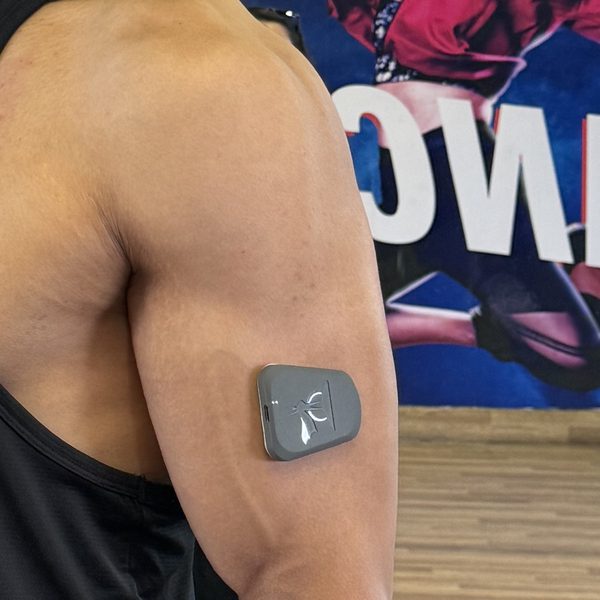
The Muscle Puck reads live electrical activity from a specific muscle, worn before and after a recovery session.
- Which specific muscle was fatigued going into a recovery session, so treatment can be targeted instead of applied to a whole limb by default.
- Whether that muscle actually recovered afterward, not just whether the session happened.
- Whether a different muscle is compensating in the meantime, while the treated one is still down.
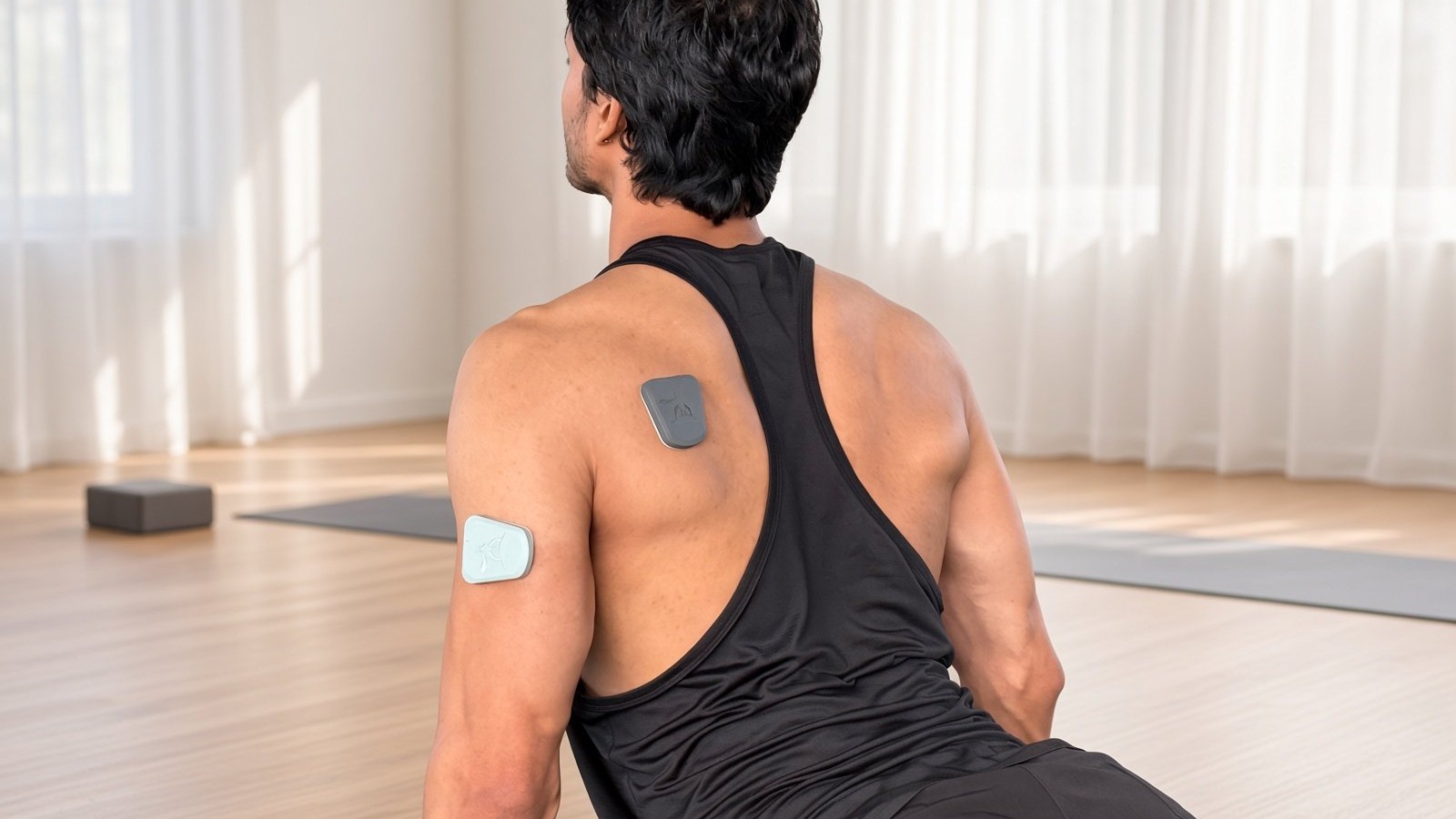
That gets sharper with more than one Muscle Puck worn at once, as shown here on the shoulder and bicep. Checked before and after a session, they show which muscle is still fatigued and needs another round of recovery, and which is ready to load again — well before a logged session count would suggest everything's fine. It's also how a guarding pattern gets caught early: if an athlete is quietly favoring one muscle because a neighboring one is still sore post-treatment, two Pucks show that substitution the same day it starts, not after it turns into a strain somewhere else.

Put together, an athlete or training staff keeps the recovery routine Hyperice and Normatec are already built into, plus a muscle-level read on whether that routine is actually working on the muscle that needs it, before clearing someone to return, not after.
Hyperice/Normatec and the Muscle Puck: Quick Answers
Does the Muscle Puck replace Hyperice or Normatec?
No. It's worn before and after a recovery session to show which muscle actually needed the treatment and whether it worked, not to replace the percussion or compression device itself.
Can you wear more than one Muscle Puck at once?
Yes. Wearing two or three across different muscles before and after a session shows which ones are still fatigued and need more recovery, and which are ready to load again.
How does this help with injury prevention or return-to-play decisions?
It replaces a guess with a muscle-specific answer — instead of assuming a logged recovery session means an athlete is ready, you can see whether the specific muscle in question actually recovered before clearing them to return.
What's the real difference between Hyperice/Normatec data and Muscle Puck data?
Hyperice and Normatec tell you how much recovery treatment was done — session count and duration. The Muscle Puck tells you whether the specific muscle that needed it actually recovered.