Kitman Labs and Teamworks Tell You Team-Wide Status at a Glance. The Muscle Puck Tells You What's Actually Happening in the Muscle.

Kitman Labs and Teamworks have become the dashboard performance and medical staffs open first, pulling wellness surveys, workload numbers, and injury history from across a roster into one place. That's exactly why they're standard in NFL, NBA, Premier League, and college athletic departments. What that dashboard can't do on its own is see inside the muscle behind any of those numbers.
Short version: Kitman Labs and Teamworks roll up wellness surveys, workload, and injury history into one team-wide dashboard. The Muscle Puck feeds that dashboard something none of those inputs can: which specific muscle is fatiguing or being compensated for, in real time - the layer that turns a subjective status flag into an objective, muscle-level one.
What Do Kitman Labs and Teamworks Do Well?
Kitman Labs and Teamworks give performance and medical staff a single dashboard that pulls together wellness questionnaires, workload data, and injury history across an entire roster, so a director of performance can see at a glance which athletes are flagged for elevated risk on a given day. That aggregation is exactly why these platforms have become standard across professional and college sports.
What Doesn't a Team Dashboard Measure?
A dashboard is only as good as what feeds it, and most of what feeds it today is external load numbers and subjective wellness surveys, an athlete's own rating of soreness or sleep. Two athletes can both get a green status on the same day while one of them has a specific muscle quietly fatiguing or compensating in a way neither a wellness questionnaire nor a load number would catch.

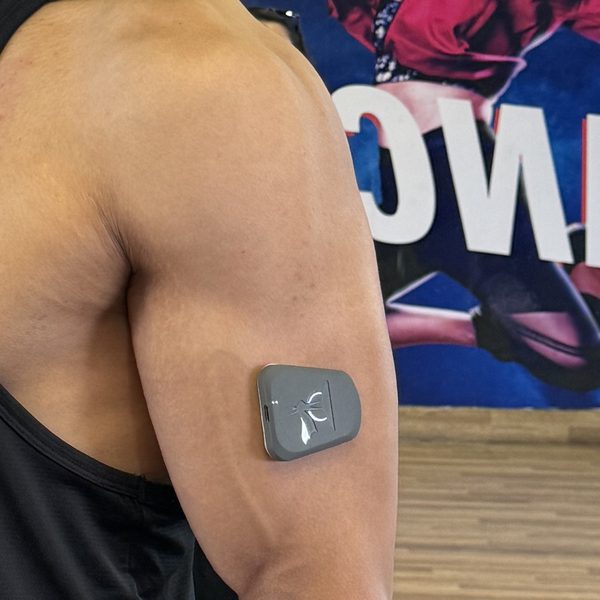
Kitman Labs and Teamworks show a team-wide status flag. The Muscle Puck shows the muscle-level reason behind it.
What Does the Muscle Puck Add to Kitman Labs and Teamworks?
The Muscle Puck reads live electrical activity from a specific muscle, adding an objective data point the dashboard doesn't currently have.
- An objective, muscle-level signal to feed into the dashboard, not another subjective survey answer.
- Whether a specific muscle is fatiguing during a session, before it shows up as a wellness complaint days later.
- Whether an athlete is compensating with a different muscle, a pattern a wellness survey has no way to ask about.
That gets sharper with more than one Muscle Puck worn at once, across different muscles. Feeding that into the same dashboard shows not just that an athlete flagged themselves as sore, but which muscle is actually fatiguing and whether a neighboring muscle is quietly picking up the slack, catching a real risk before it turns into the kind of injury that finally gets logged as an incident in the system.
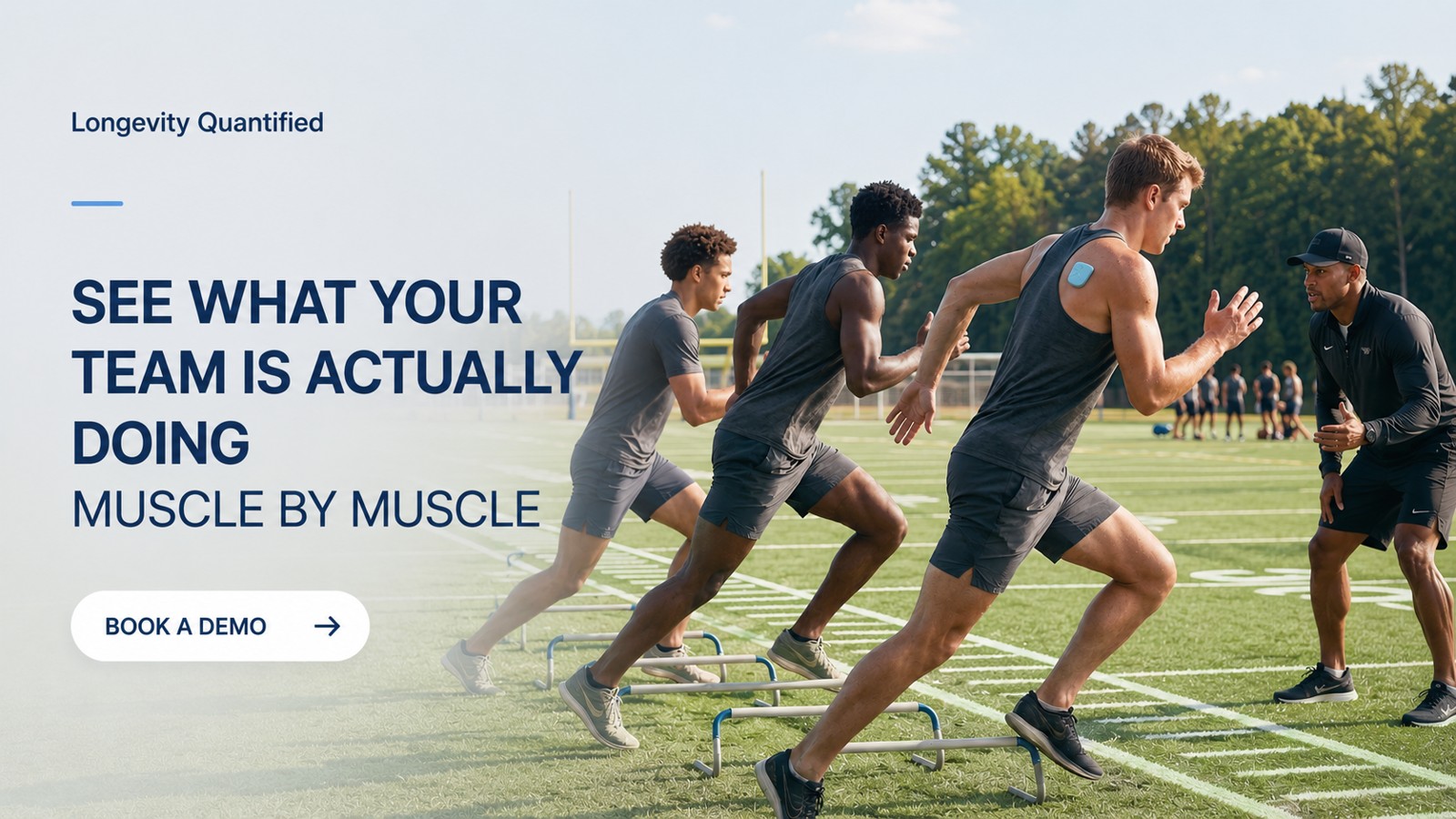
Put together, a performance or medical staff keeps the team-wide dashboard Kitman Labs or Teamworks is built to give them, plus an objective muscle-level signal feeding into it, on the athletes already being tracked.
Kitman Labs/Teamworks and the Muscle Puck: Quick Answers
Does the Muscle Puck replace Kitman Labs or Teamworks?
No. It feeds an additional, objective data point into the same dashboard, not a replacement for the platform itself.
Can you wear more than one Muscle Puck at once?
Yes. Wearing two or three across different muscles gives the dashboard a richer picture of which muscle is fatiguing or compensating, not just a single soreness rating.
How does this help with injury prevention?
It replaces a subjective wellness answer with an objective muscle-level signal, catching a specific muscle's fatigue or compensation before it becomes the kind of injury that shows up in the platform's incident log.
What's the real difference between Kitman/Teamworks data and Muscle Puck data?
Kitman Labs and Teamworks aggregate external load numbers and subjective wellness surveys into a team-wide status view. The Muscle Puck adds a direct, objective read from inside a specific muscle.