Oura Tells You Your Readiness Overnight. The Muscle Puck Tells You the Muscle-Level Picture.
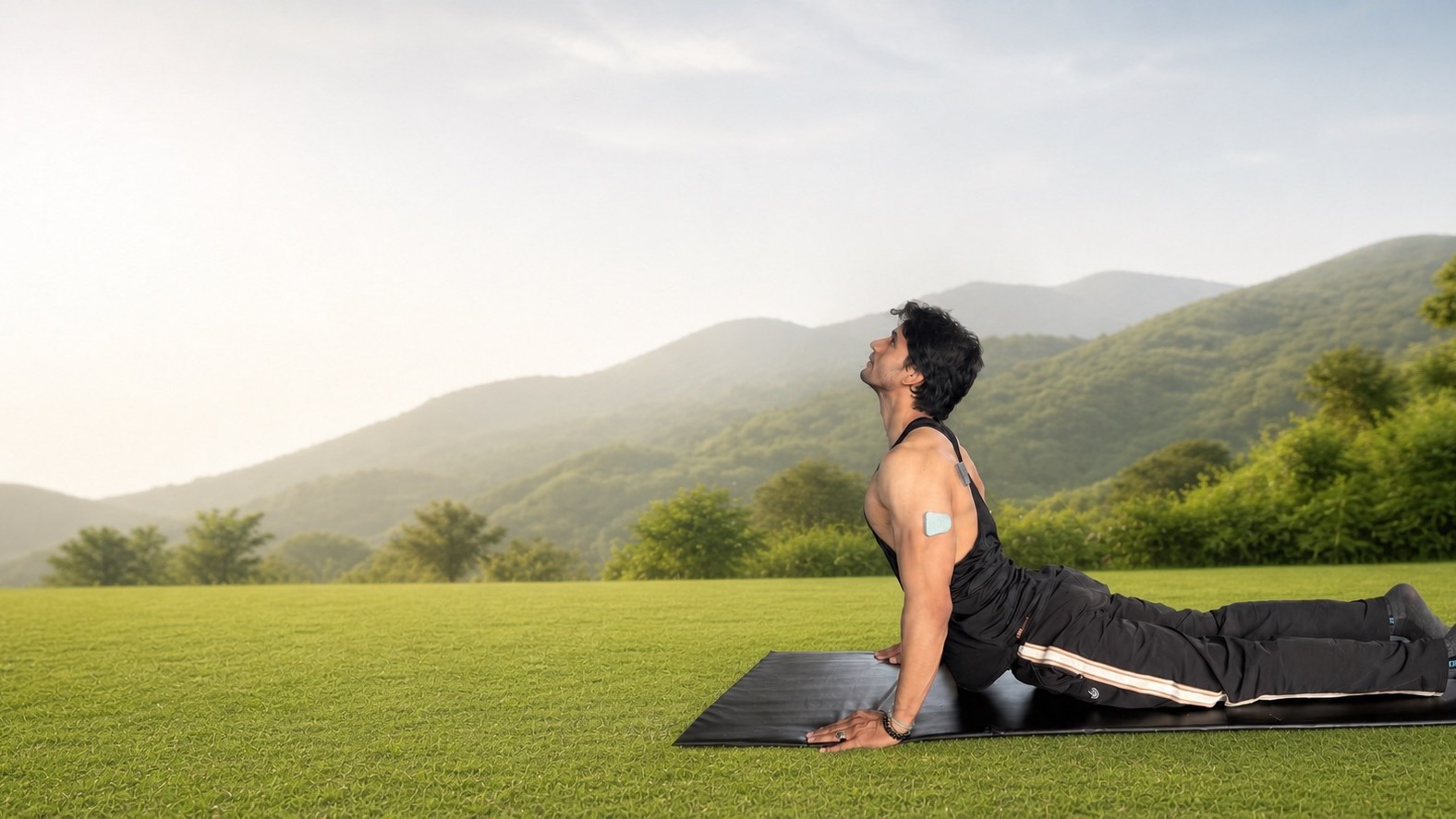
Oura's ring has found its way onto a lot of athletes' hands, including a stint as the NBA's official wearable during the 2020 season restart, on the strength of overnight HRV, sleep-stage, and temperature-trend data rolled into a single daily Readiness score. That score is a genuinely useful whole-body signal for whether to push or pull back. It has nothing to say about any one muscle.
Short version: Oura tells you a whole-body Readiness score from overnight data. The Muscle Puck tells you what's happening in one specific muscle during the day's training or mobility work, whether it's fatiguing or being guarded, a layer an overnight ring was never built to see.
What Does Oura Do Well?
By tracking HRV, resting heart rate, temperature trends, and sleep stages overnight, Oura produces a Readiness score that gives an athlete a simple daily read on overall recovery, without needing to wear anything during the day itself. That convenience is a big part of why it's spread so widely among athletes managing their own training.
What Doesn't an Overnight Score Measure?
Readiness is an overnight, whole-body composite — it can't localize which specific muscle a training or mobility session actually worked, or catch an athlete quietly guarding one muscle in favor of another during that session, even when the next morning's Readiness score looks completely normal.

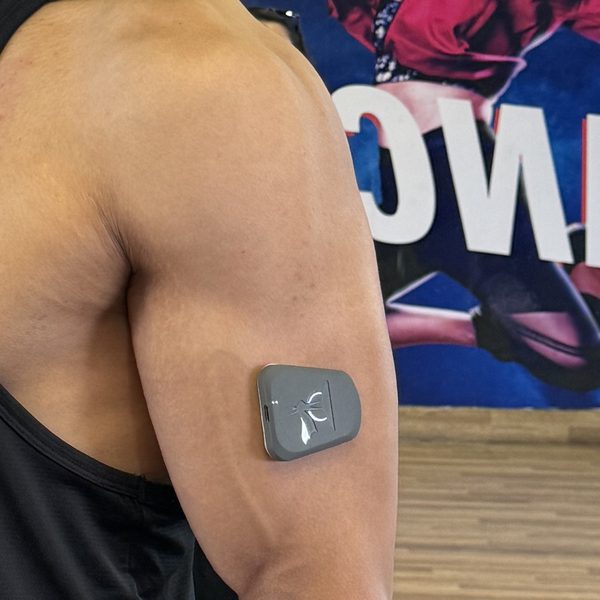
Oura shows how recovered the whole body is overnight. The Muscle Puck shows what one specific muscle is doing during the day.
What Does the Muscle Puck Add to Oura?
The Muscle Puck reads live electrical activity from a specific muscle during actual training or mobility work, the same day Oura is reading HRV and sleep overnight.
- Which muscle is actually working during a stretch or training session that Oura has no way to see at all during the day.
- Whether that muscle is fatiguing within the session, not just as an overnight aggregate the next morning.
- Whether the athlete is compensating, shifting effort to a different muscle in a way a nightly Readiness score can't catch.
That gets sharper with more than one Muscle Puck worn at once — one on the bicep, one on the shoulder or lat, say, during a stretch sequence like the one here. Worn together, they show how those muscles are sharing the work of a movement, and which one starts fatiguing or tightening first, something an overnight Readiness score was never built to localize. It's also how a guarding pattern gets caught early: if an athlete is quietly favoring one side during a mobility routine because of soreness elsewhere, two Pucks show that shift the same session it starts.
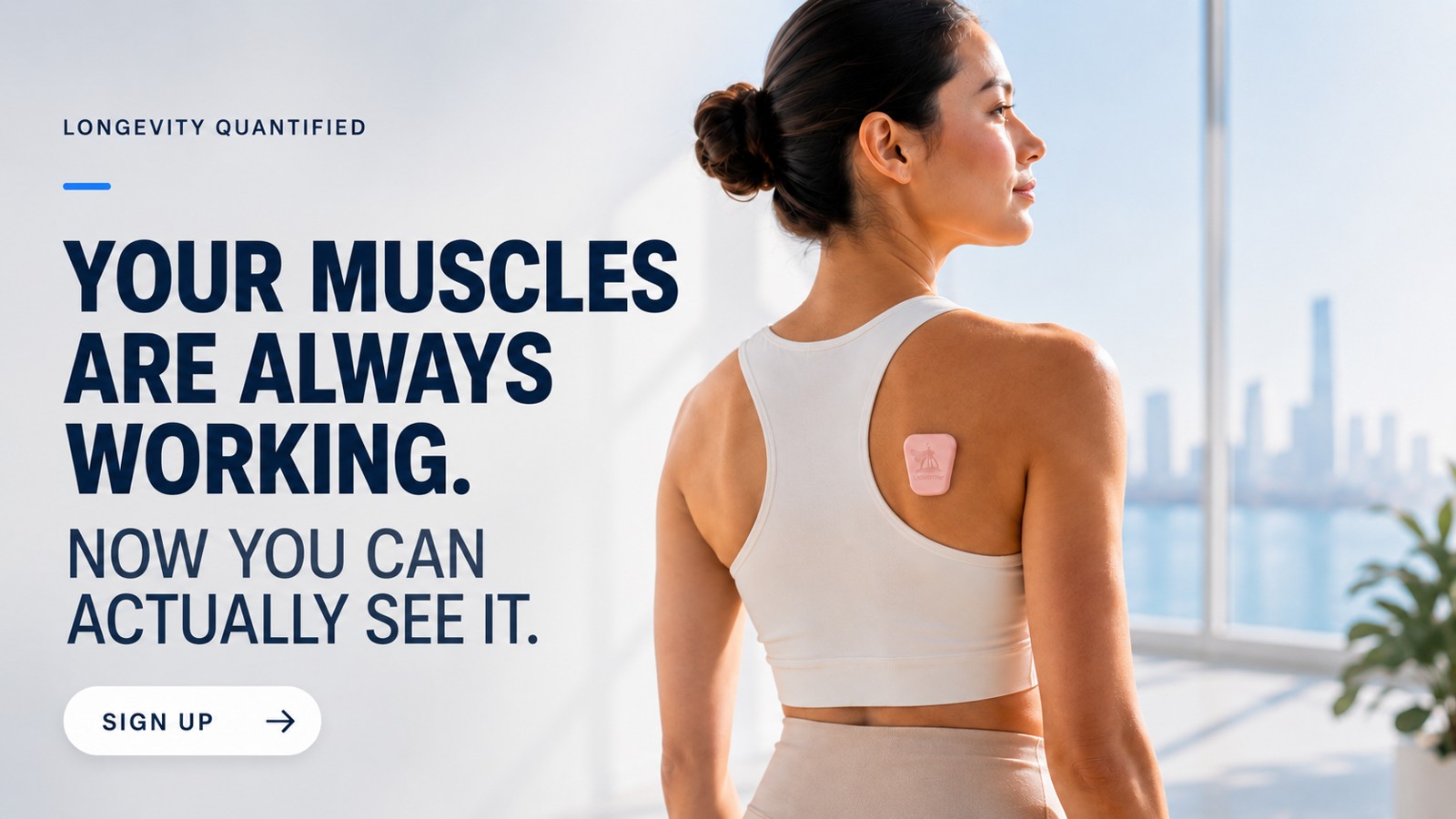
Put together, an athlete keeps the overnight recovery tracking Oura is built for, plus a muscle-level read on what's actually happening during the day's training, without adding anything beyond what they already wear.
Oura and the Muscle Puck: Quick Answers
Does the Muscle Puck replace Oura?
No. It's worn during the day's training or mobility work to add a muscle-specific read that overnight HRV and sleep data can't provide.
Can you wear more than one Muscle Puck at once?
Yes. One on the bicep and one on the shoulder during a stretch sequence, for example, shows how those muscles share the work and which tightens or fatigues first.
How does this help with injury prevention?
It catches an athlete favoring one side during mobility work because of soreness elsewhere, the same session it happens, something an overnight Readiness score has no way to localize.
What's the real difference between Oura and Muscle Puck data?
Oura gives you one whole-body readiness number from overnight data. The Muscle Puck gives you a live read on one specific muscle during the day.