VALD Tells You the Test-Day Numbers. The Muscle Puck Tells You What Happens Between Tests.
VALD's ForceDecks, NordBord, and ForceFrame have become a standard part of testing and return-to-play protocols across the NBA, NFL, AFL, and Premier League medical and performance staffs, giving objective force and asymmetry numbers a subjective eye test can't match. That objectivity is real. It's also limited to the day you actually test.
Short version: VALD tells you force output and asymmetry on the day you test. The Muscle Puck tells you what's happening in that same muscle every day in between, whether it's fatiguing or being guarded, closing the gap between testing cycles where most compensation patterns actually form.
What Does VALD Do Well?
Force plate jump testing, hamstring strength testing, and multi-joint force testing give staff precise, repeatable numbers on force output, rate of force development, and left-right asymmetry — the kind of clinical-grade data that's become central to deciding when an athlete is ready to return after injury, and to flagging asymmetries before they become one.
What Doesn't a Testing Snapshot Cover?
A force plate test is a snapshot on a single testing day. It has no way to see what's happening muscle-by-muscle during the actual training sessions and games between tests, when fatigue accumulates and compensation patterns actually form — often well before the next scheduled test would catch them.

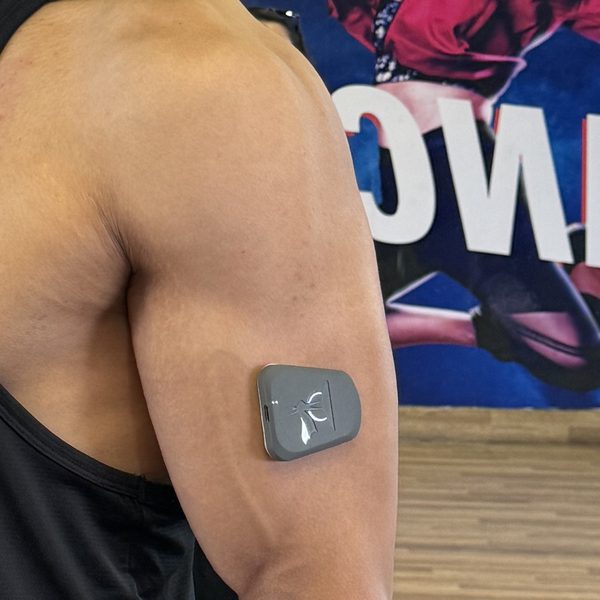
VALD shows force output on the day you test. The Muscle Puck shows the muscle every day in between.
What Does the Muscle Puck Add to VALD?
The Muscle Puck reads live electrical activity from a specific muscle during actual training, not just on a testing day.
- Which muscle is doing the work in the sessions between VALD tests, not just on the day you happen to test it.
- Whether that muscle is fatiguing across a week, well before the next scheduled testing session would flag anything.
- Whether an asymmetry is forming in real time, the kind of side-to-side compensation VALD is built to catch only periodically.
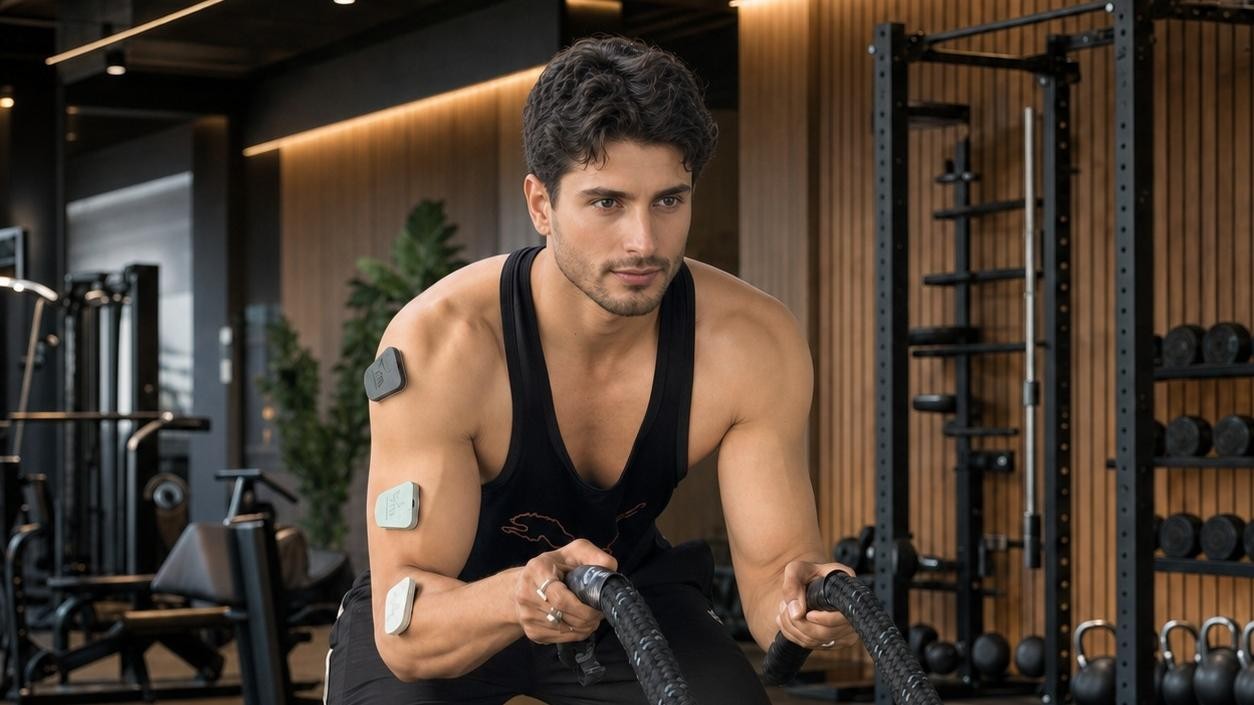
That gets sharper with more than one Muscle Puck worn at once — one on each side of a pair VALD already flags for asymmetry, say. Worn together during actual training, they show how those muscles are sharing the load day to day, and which one starts fatiguing or falling behind first, long before the next NordBord or ForceDecks session would catch it. It's also how a guarding pattern gets caught early: if an athlete is quietly protecting a side VALD flagged as weaker, two Pucks show that compensation the day it starts, not at the next testing cycle.
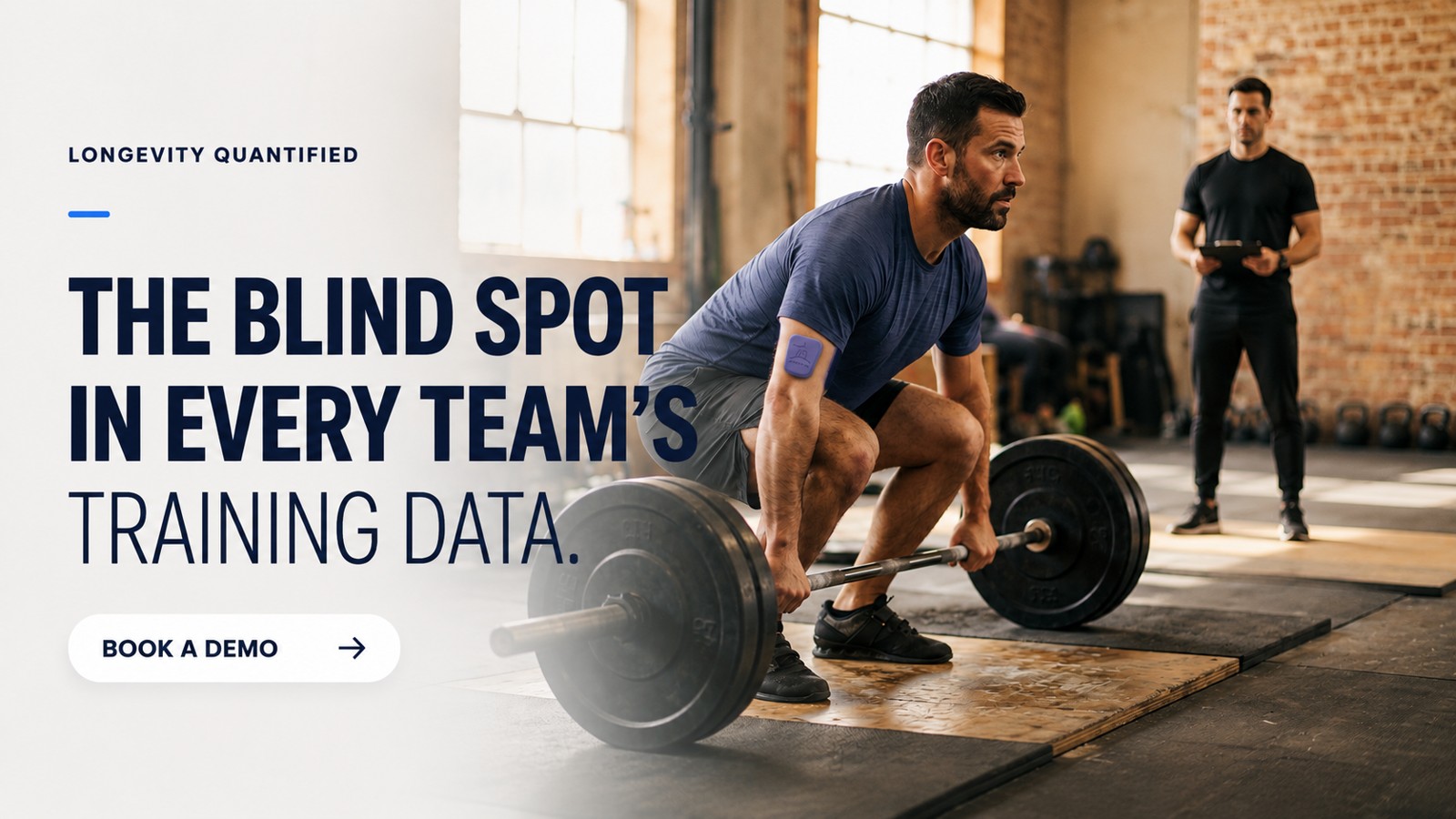
Put together, a program keeps the objective testing data VALD is built to give it, plus a continuous muscle-level read in the sessions between tests, on the same athletes already going through testing protocols.
VALD and the Muscle Puck: Quick Answers
Does the Muscle Puck replace VALD testing?
No. It's worn during regular training between VALD sessions to show what's happening muscle-by-muscle on the days you're not on a force plate.
Can you wear more than one Muscle Puck at once?
Yes. One on each side of a pair VALD already flags for asymmetry shows how those muscles are sharing load day to day, and which one is falling behind.
How does this help with injury prevention?
An asymmetry or compensation pattern usually starts well before the next scheduled VALD test would catch it. The Muscle Puck flags it the day it starts.
What's the real difference between VALD and Muscle Puck data?
VALD gives you a precise, objective number on a testing day. The Muscle Puck gives you a continuous read on the muscle every day between tests.